THE PEOPLE
BEHIND THE
FLIGHT.
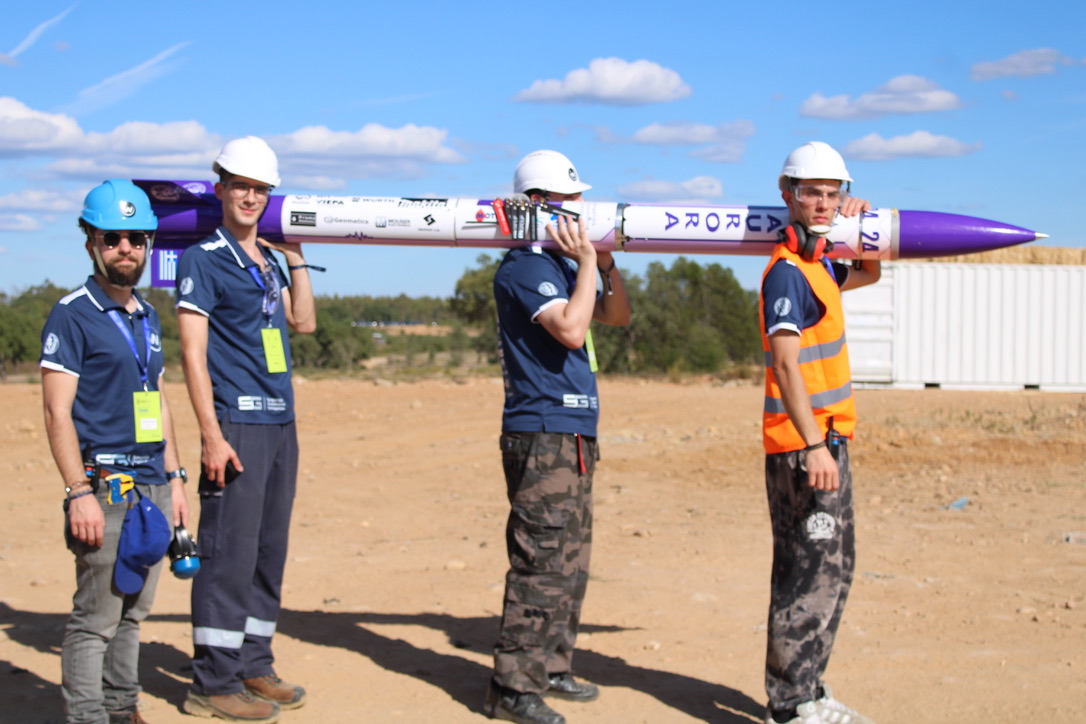
We are a student-led aerospace and rocketry team from the National Technical University of Athens. We design, manufacture, test and operate real aerospace systems.
MORE THAN
A STUDENT
PROJECT.
White Noise was founded in 2017 by students of the National Technical University of Athens, with the ambition of advancing experimental aerospace engineering in Greece.
Operating under the auspices of the Machine Elements Laboratory of NTUA, our team brings students from different disciplines together to develop challenging engineering projects.
Our members do more than study aerospace systems. We take responsibility for real design decisions, manufacturing, integration, testing, documentation and project delivery.
In 2026, our rocket Aurora flew at the European Rocketry Challenge, reaching 2,507 m AGL, completing a successful recovery and earning Best Rookie Team, the Payload Award and 6th place overall.
Discover Project Aurora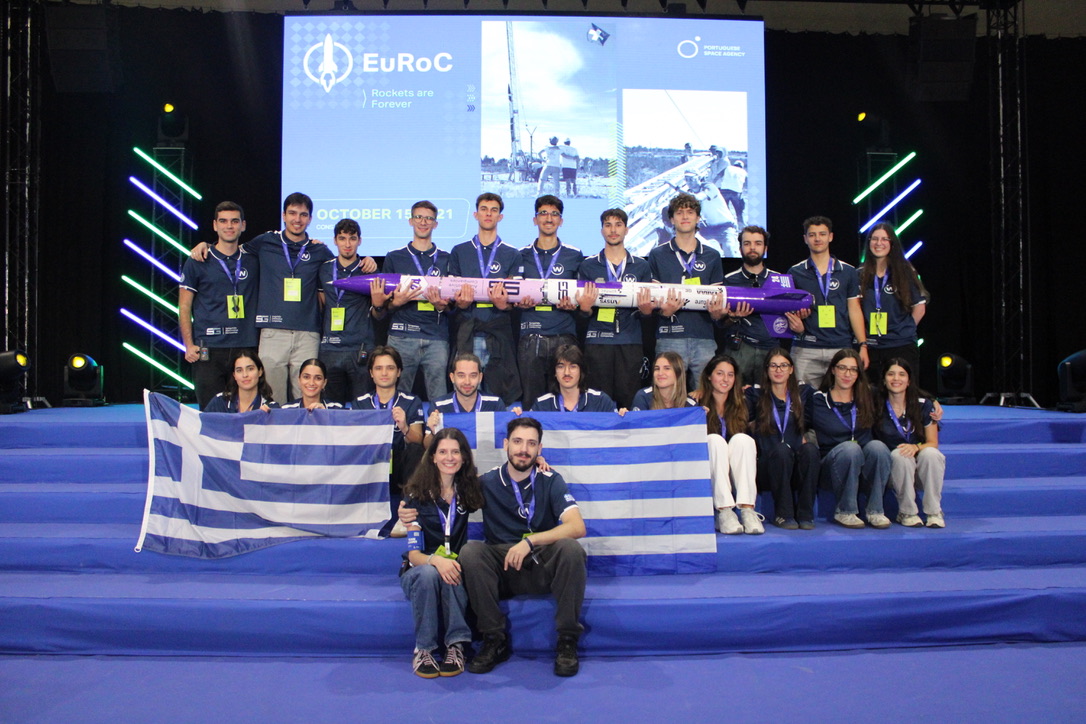
ENGINEERING
IS WHAT
WE DO.
Every flight represents months of analysis, manufacturing, testing and collaboration. Here is a look at the work behind Project Aurora.
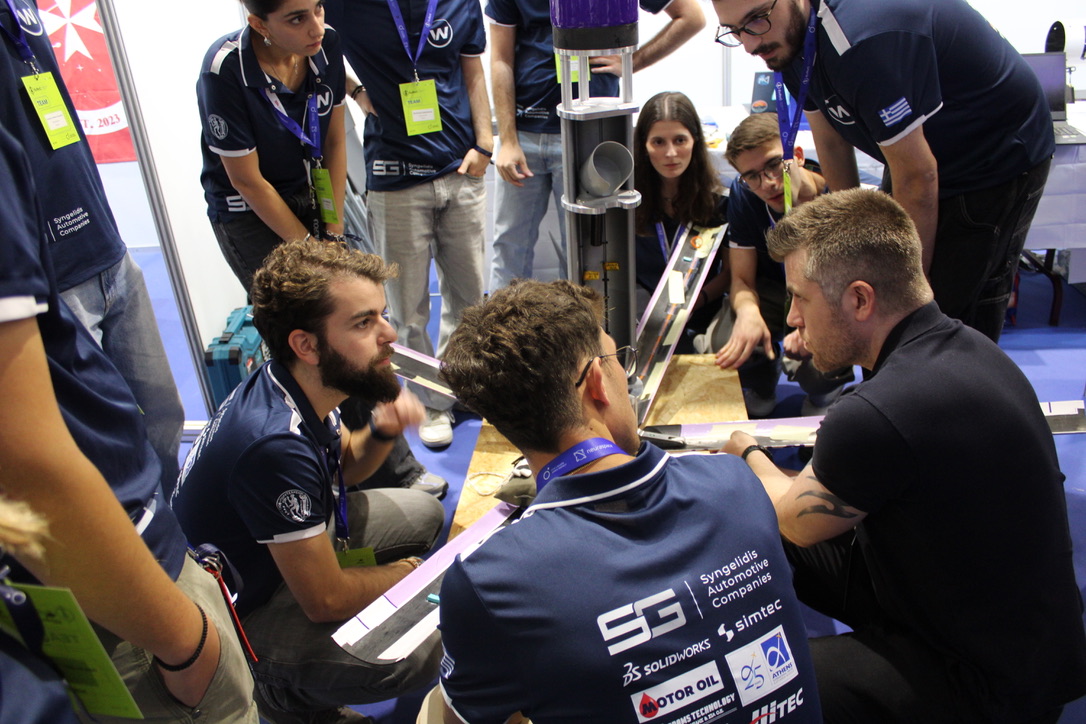
Technical Reviews
Assessing design decisions, mission readiness and system performance.
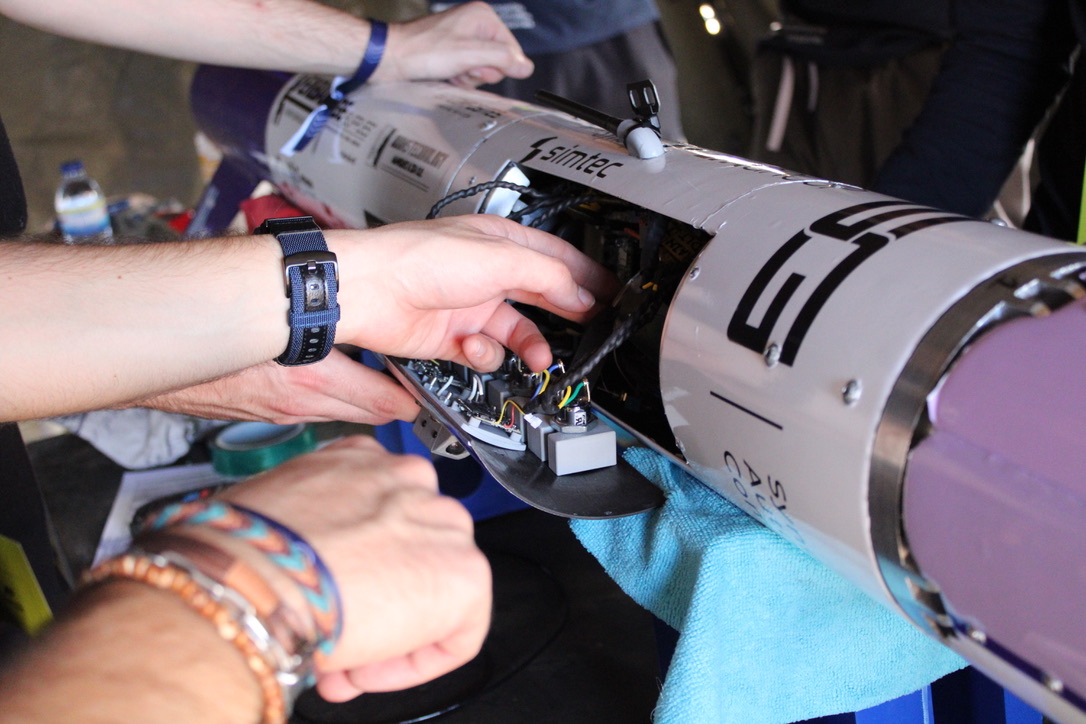
Electronics & Control
Developing and integrating the systems responsible for onboard sensing and control.
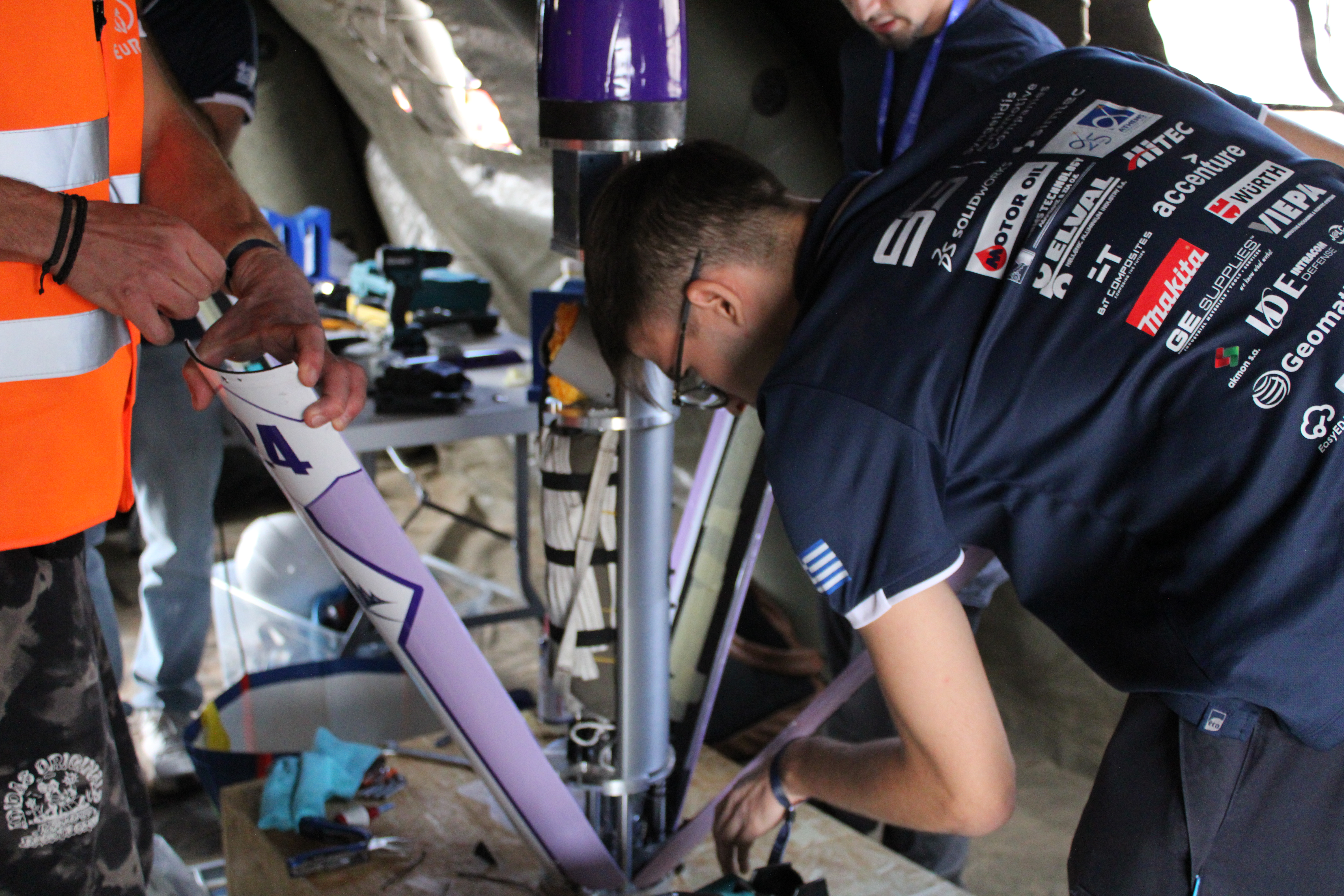
Mechanical Systems
Translating mechanical designs into manufactured and integrated hardware.
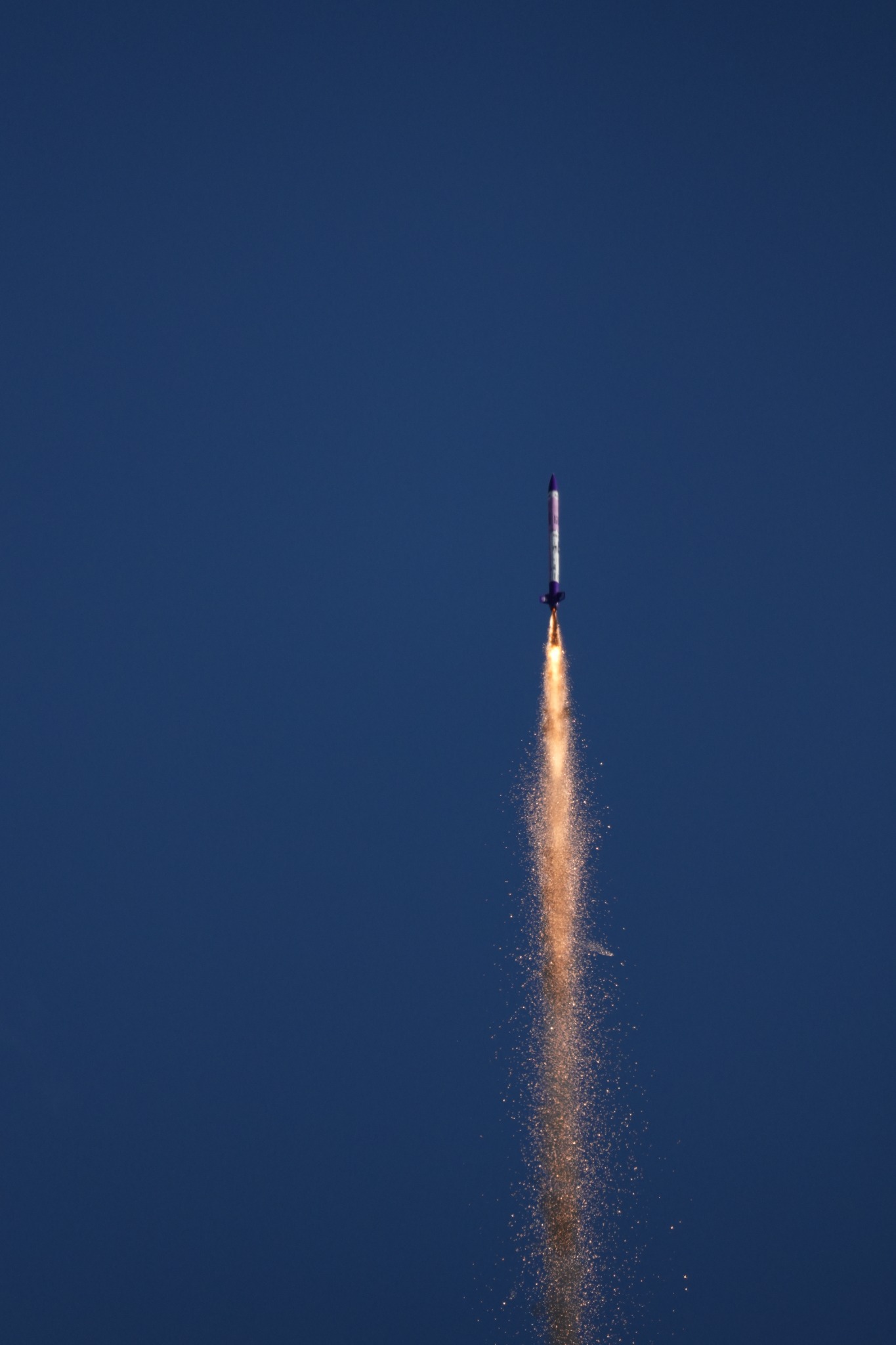
From Ground to Flight
Testing our engineering through real operations, launch, recovery and flight data.
FROM CONCEPT
TO FLIGHT.
Each project moves through a complete engineering development process. Different departments contribute at every stage, from defining requirements to analysing flight results.
Define
Mission objectives, technical requirements and system architecture.
Design
Engineering analysis, simulations and detailed design.
Manufacture
Production, hardware assembly and subsystem integration.
Verify
Testing, validation, troubleshooting and readiness reviews.
Operate
Flight operations, recovery, data analysis and lessons learned.
EIGHT DEPARTMENTS.
ONE MISSION.
Each department owns a different part of the mission. Select a department to explore what its members actually work on.
01 Structural Airframe & Mechanical Design +
The Structural department designs the rocket's airframe, mechanical components and structural assemblies. Members take their designs from CAD through analysis, manufacturing and physical integration.
Mechanical design · CAD · Composites · Machining · Structural analysis · Manufacturing · Integration
02 Aerodynamics & Simulations Flight Modelling & Analysis +
This department studies the rocket's aerodynamic behaviour and flight performance. Members analyse trajectory, stability, aerodynamic forces and the effects of different design configurations.
Flight simulation · CFD · Aerodynamic design · Stability analysis · OpenRocket · RocketPy · Data analysis
03 Avionics Electronics & Software +
Avionics develops the onboard electronic systems, embedded software, sensing, telemetry and control functions. The department also contributes to the ground station and integration of flight electronics.
PCB design · Embedded systems · Sensors · Microcontrollers · C/C++ · Control algorithms · Telemetry · Communications
04 Recovery Deployment & Landing Systems +
Recovery is responsible for the systems that allow the rocket to return safely after flight. Members design and verify parachutes, deployment mechanisms and the associated mechanical systems.
Parachute design · Deployment mechanisms · Mechanical integration · Ground testing · Reliability · Recovery operations
05 Payload Scientific Research & Experiments +
The Payload department defines and develops scientific experiments carried aboard the rocket. Members design experimental systems, integrate instrumentation and investigate how research objectives can be achieved under flight conditions.
Scientific research · Experimental design · Instrumentation · Sensors · Prototyping · Data processing · Payload integration
06 Propulsion SRAD Solid Rocket Motor +
The Propulsion department is responsible for the research and development of White Noise's new student-researched-and-developed solid rocket motor for Project Thyella. Its work includes engineering analysis, system design, verification planning and integration with the vehicle.
Propulsion analysis · Motor design · Modelling · Mechanical interfaces · Test planning · Safety · Technical documentation
07 Fundraising Partnerships & Resources +
Fundraising builds partnerships with companies and organisations that support our work. The department identifies potential sponsors, prepares proposals and coordinates financial, material and logistical support.
Sponsorship proposals · Company research · Partner communication · In-kind sponsorships · Budget coordination · Logistics
08 Marketing Communications & Outreach +
Marketing communicates the team's engineering progress and builds White Noise's public presence. Members create content, maintain the website, organise events and develop outreach activities that connect the project with wider audiences.
Social media · Photography · Video production · Graphic design · Web design · Event planning · Public outreach
Engineering happens across departments. Systems such as Aurora's active airbrakes bring together mechanical design, aerodynamic analysis and avionics. Successful integration depends on coordination between all relevant teams.
BE PART OF
THE NEXT MISSION.
Whether you're interested in engineering, scientific research, partnerships or communication, White Noise brings different skills together to build something real.
Get in Touch