EUROC 2026 / 01
AWARD WINNER
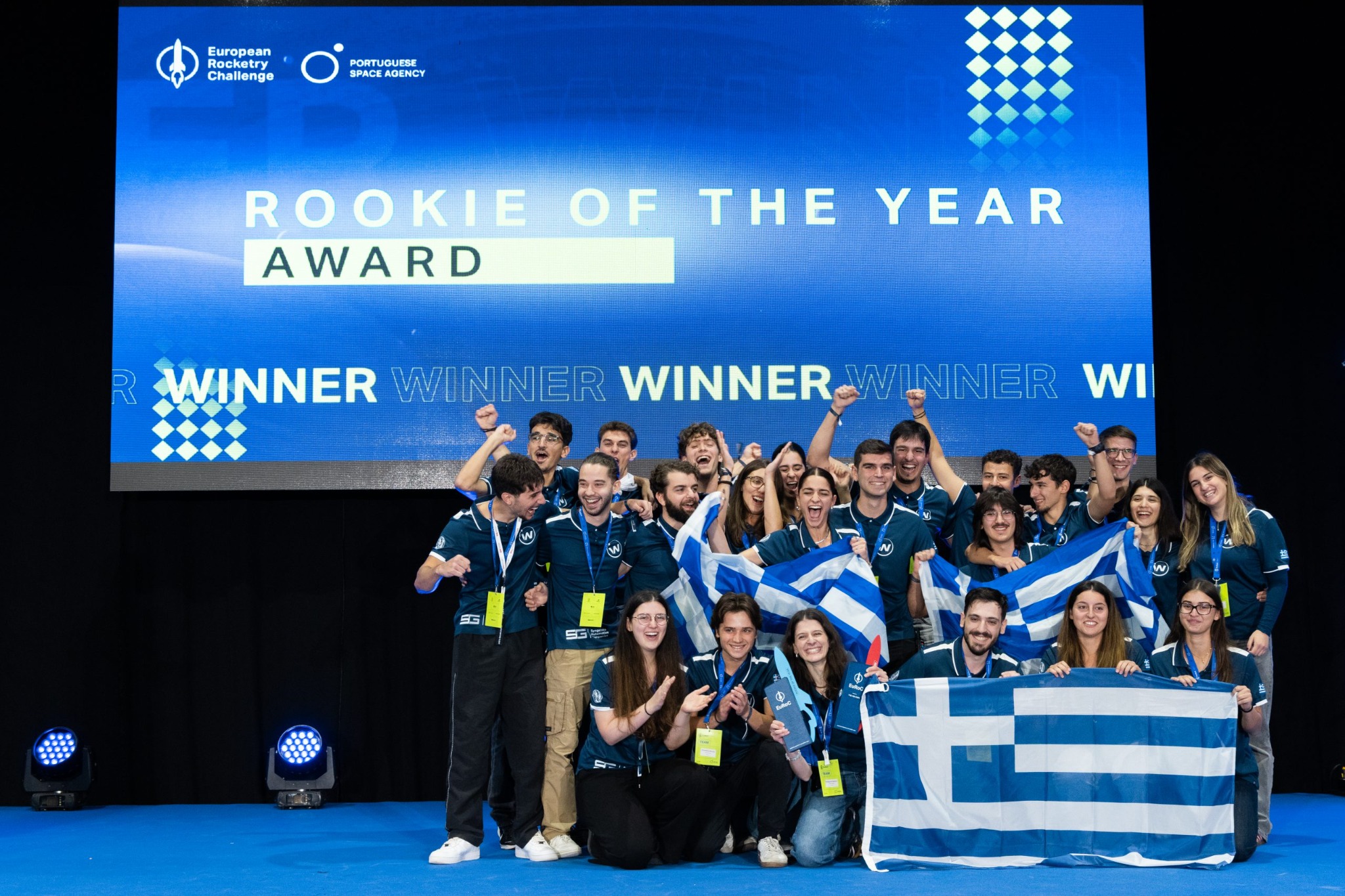
Best Rookie Team
Recognised for our first participation at the European Rocketry Challenge, reflecting the design, integration and flight of a fully student-developed vehicle.
AURORA HAS FLOWN.
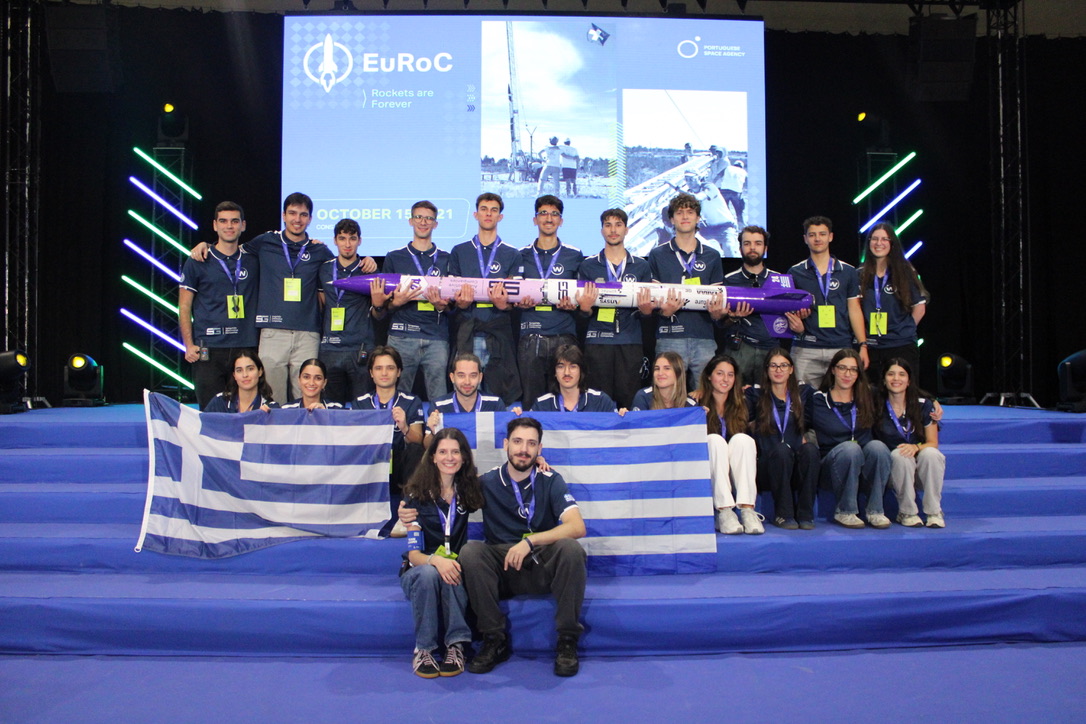
Our first European Rocketry Challenge. A successful flight and recovery. Best Rookie Team, Payload Award, and 6th overall.
In October 2026, our first high-power competition rocket, Aurora, completed a successful flight and recovery. White Noise NTUA placed 6th overall and received two of the competition’s ten awards.
Recognised for our first participation at the European Rocketry Challenge, reflecting the design, integration and flight of a fully student-developed vehicle.
Awarded for CHLOE, our research payload investigating airborne microplastics with optical sensing and digital holographic microscopy.
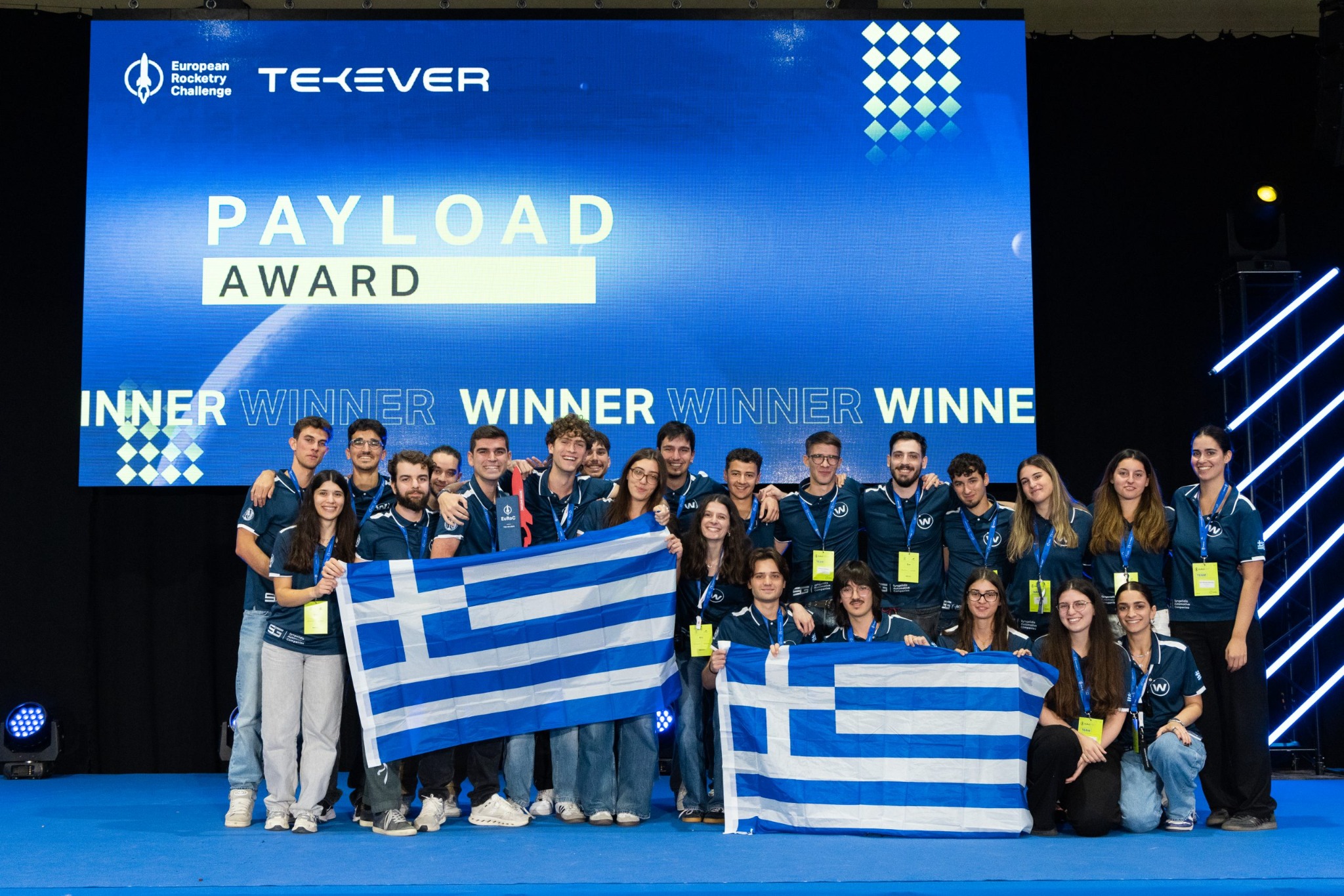
Competition awards received by White Noise
Flights conducted during the competition
Successful flights — Aurora among them
The flight was more than the ascent. Aurora’s fairings opened at apogee, the drogue and main parachutes deployed, and the vehicle was successfully recovered.
EuRoC 2026 flight
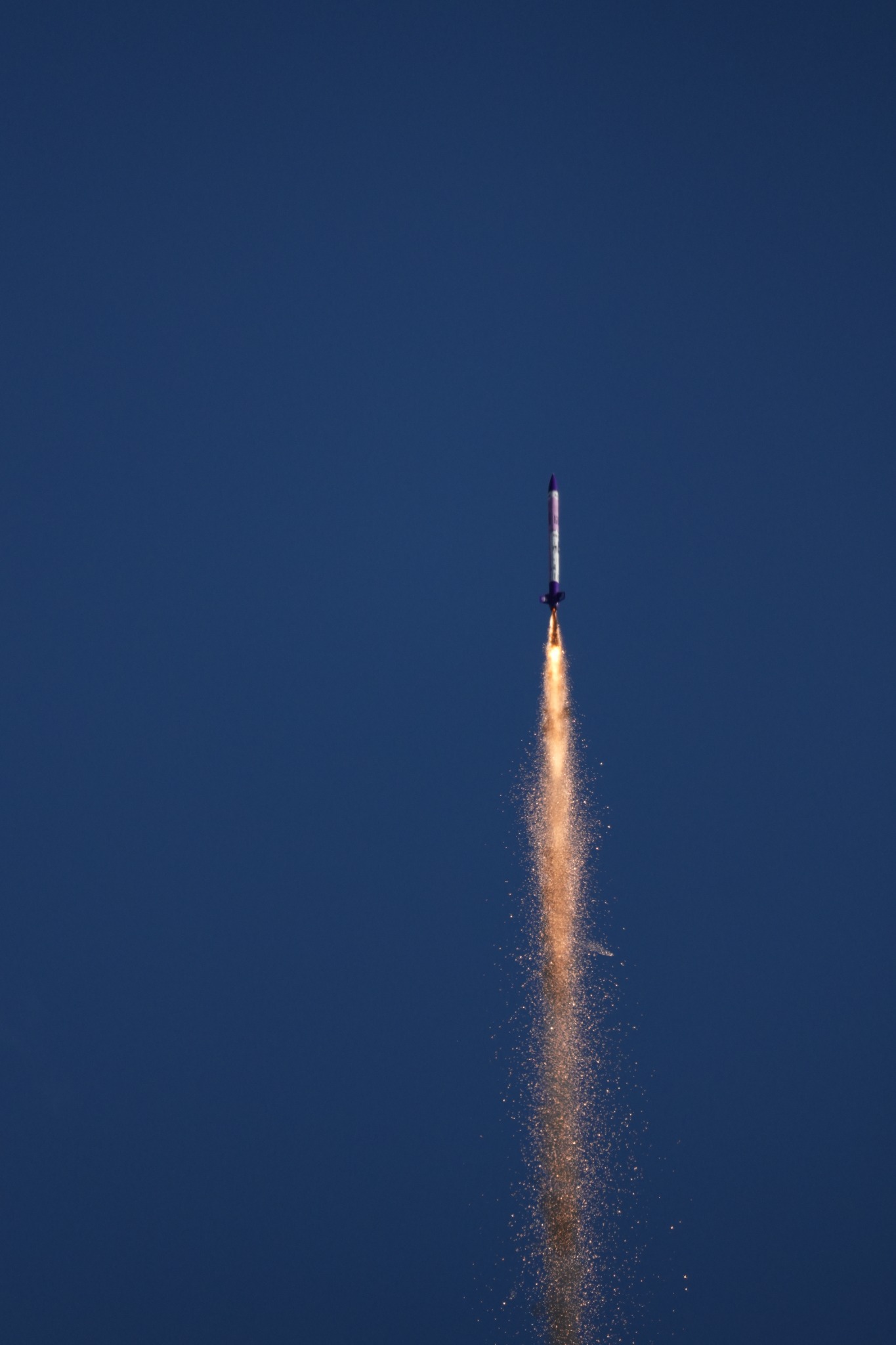
Powered ascent following launch from the rail.
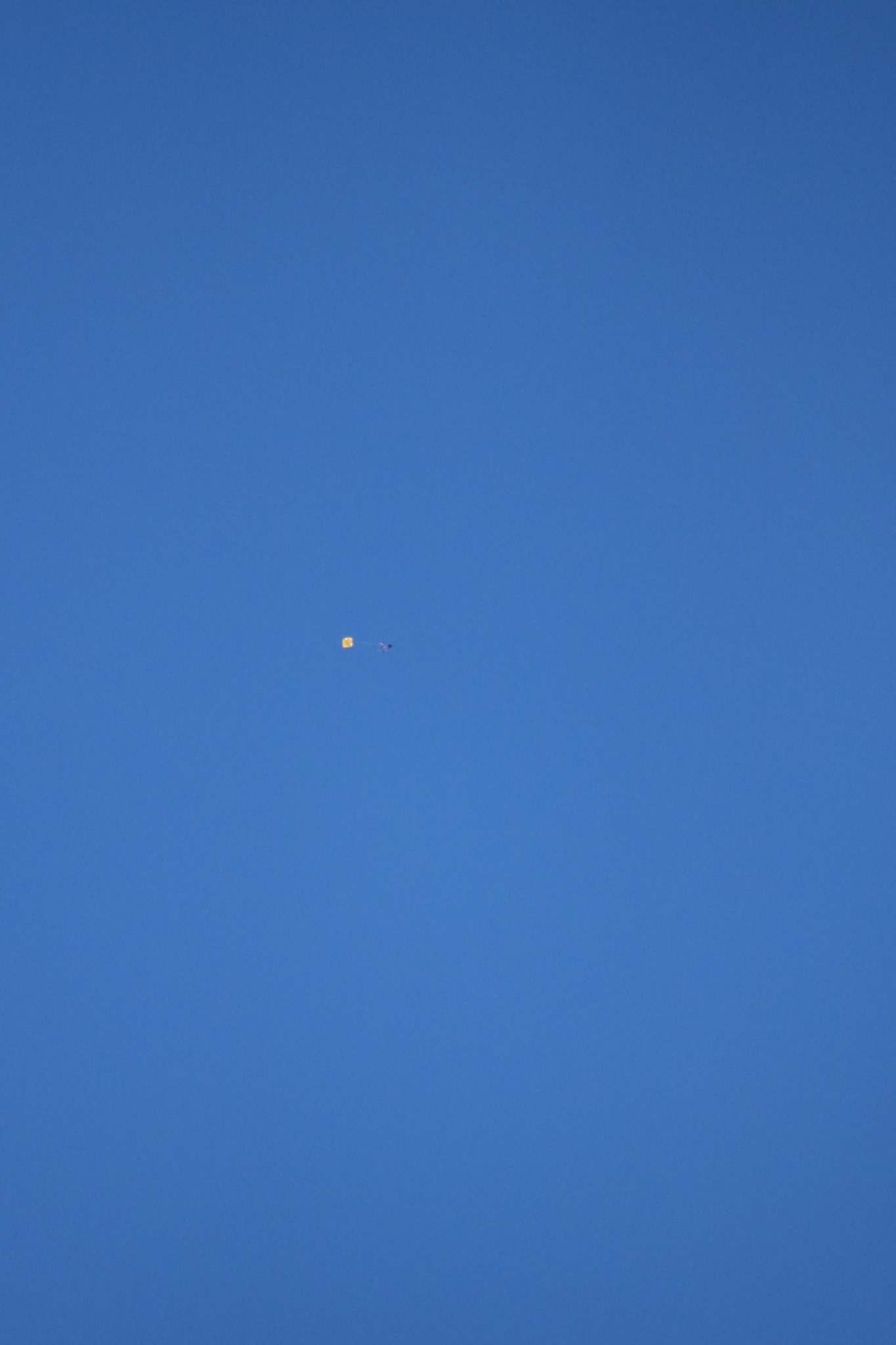
Fairings opened at apogee, followed by drogue-assisted descent.
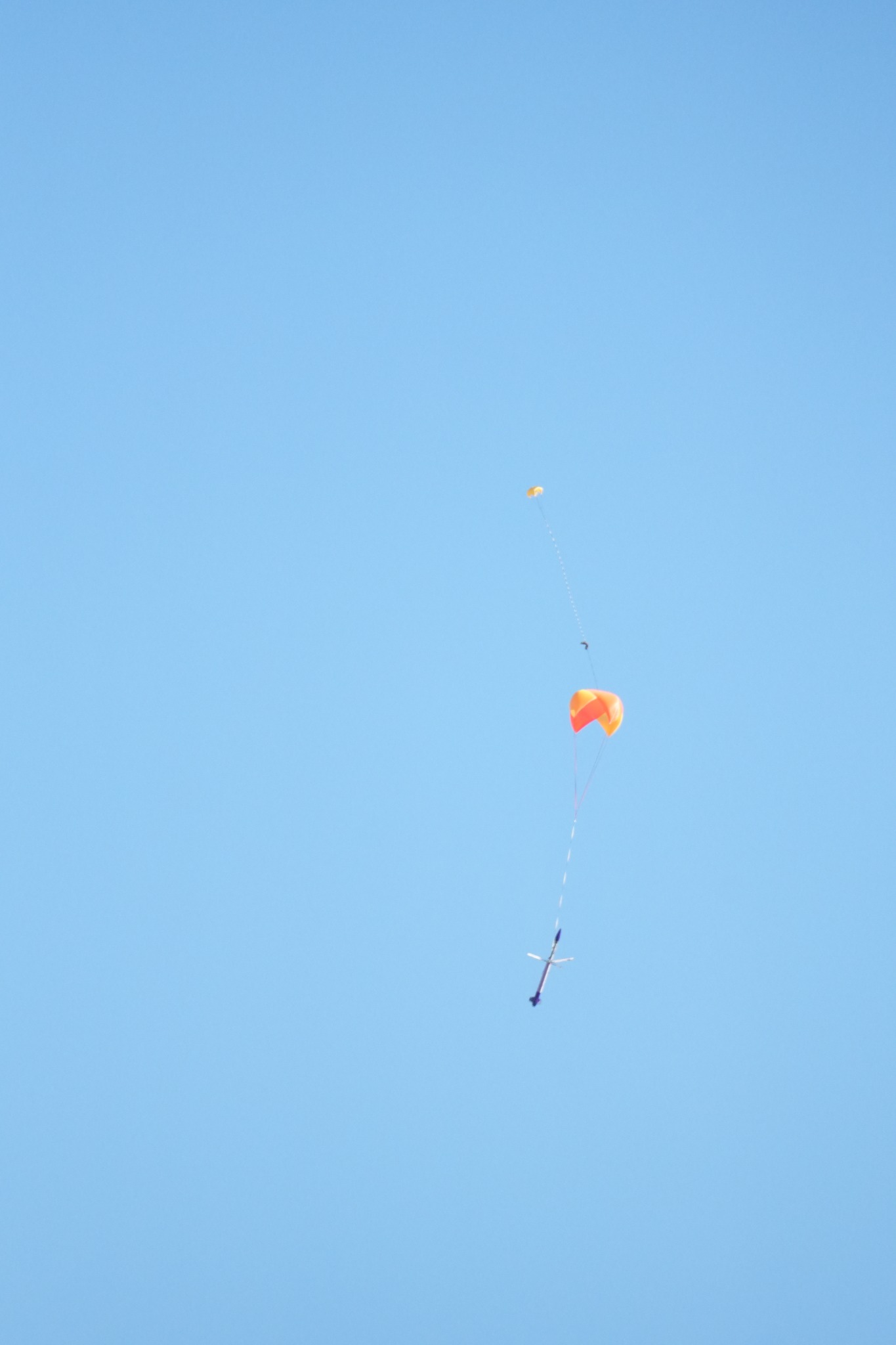
Main deployment initiated at approximately 450 metres AGL.
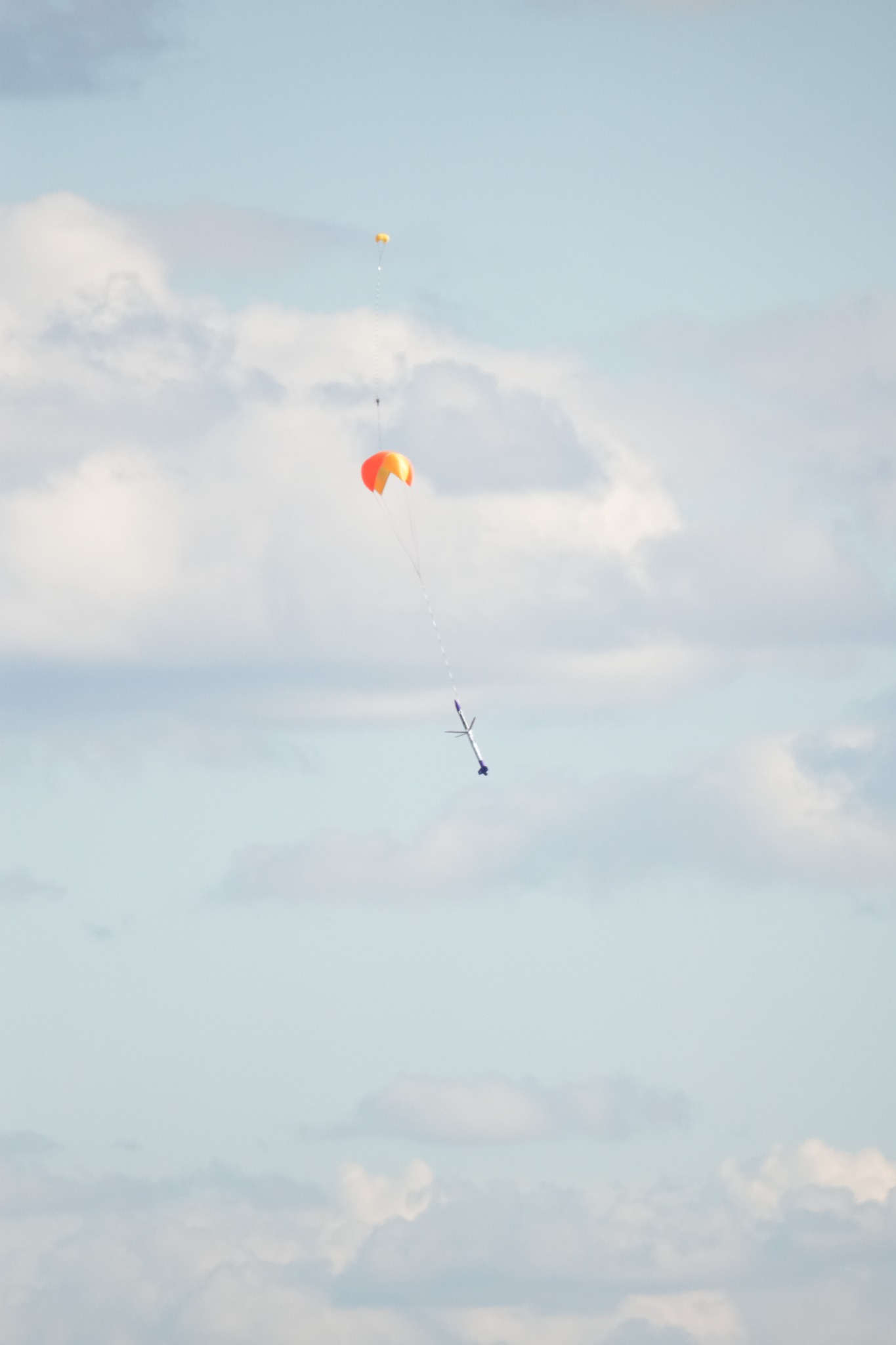
Stable, parachute-assisted descent towards the landing area.
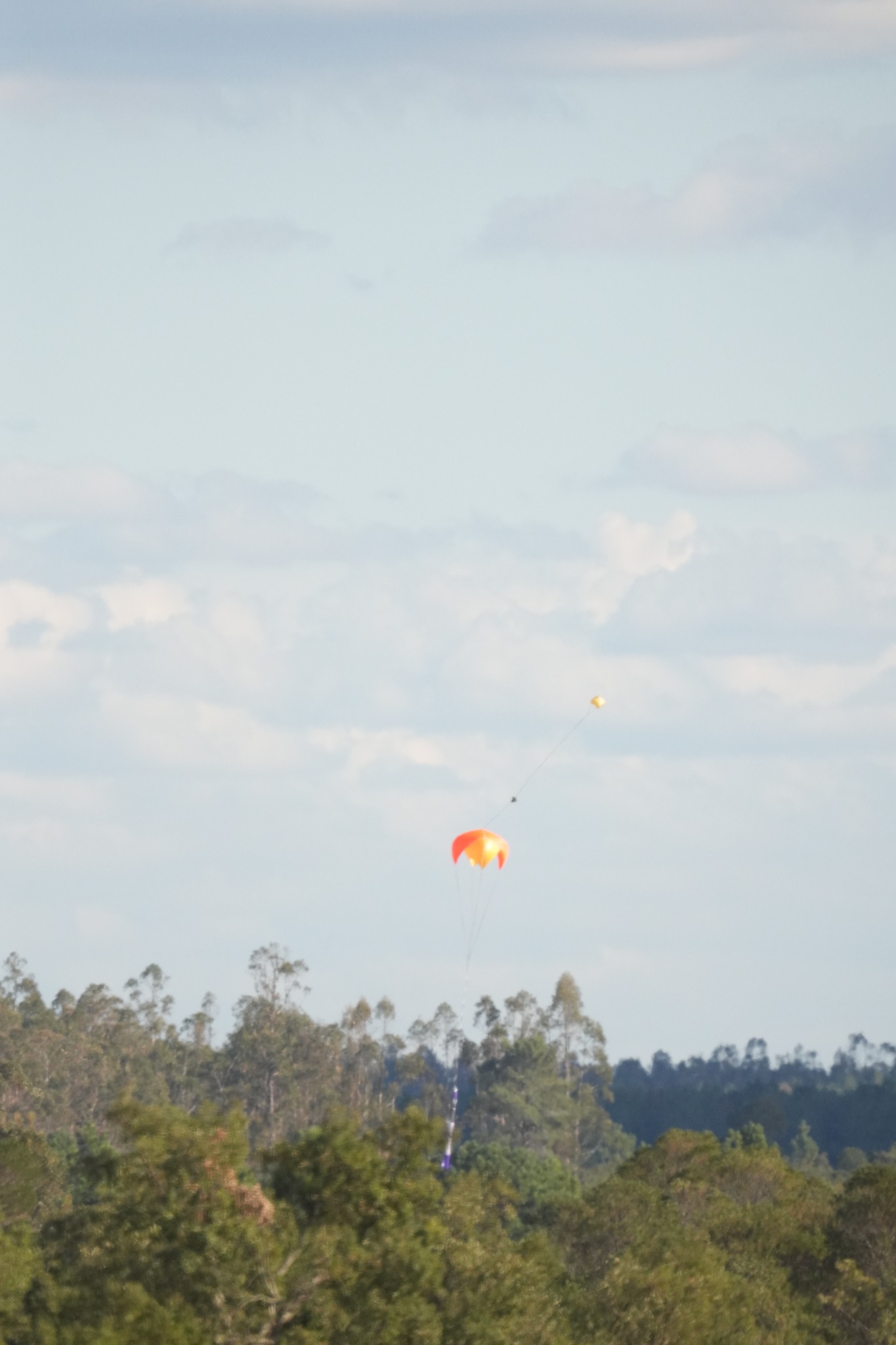
Nominal landing, followed by recovery of the reusable vehicle.
Swipe to see the complete sequence
Both parachute stages operated during the flight, and Aurora returned to the ground as a reusable vehicle. The mission also produced flight data to support further improvements.
Aurora carried CHLOE, an experimental payload designed to investigate the vertical distribution of airborne microplastics using a digital holographic microscope.
Microplastics have been studied through ground-based sampling, laboratory analysis and atmospheric models. What remains less well characterised is how their concentration and particle properties vary with altitude, and how atmospheric transport influences where they are found.
CHLOE was developed to bring direct particle measurements into this gap, combining atmospheric sampling, optical particle detection and holographic imaging in a compact system carried on board a sounding rocket.
Understanding vertical particle profiles could improve how we study atmospheric transport, exposure pathways and the reliability of environmental models.
Target altitude range for particle measurements and characterisation during descent.
Atmospheric air enters the payload’s flow channel.
Optical sensing provides particle measurements.
A digital holographic microscope records particle information.
Image processing and future classification methods support particle characterisation.
The workflow describes the experiment’s research approach; full particle and polymer classification remains a subject of further analysis and validation.
CHLOE collected environmental and microparticle data during Aurora’s flight. The experiment achieved a partial technical success; analysis and validation are ongoing. The longer-term goal is to support altitude-resolved atmospheric studies and improve understanding of airborne microplastics.
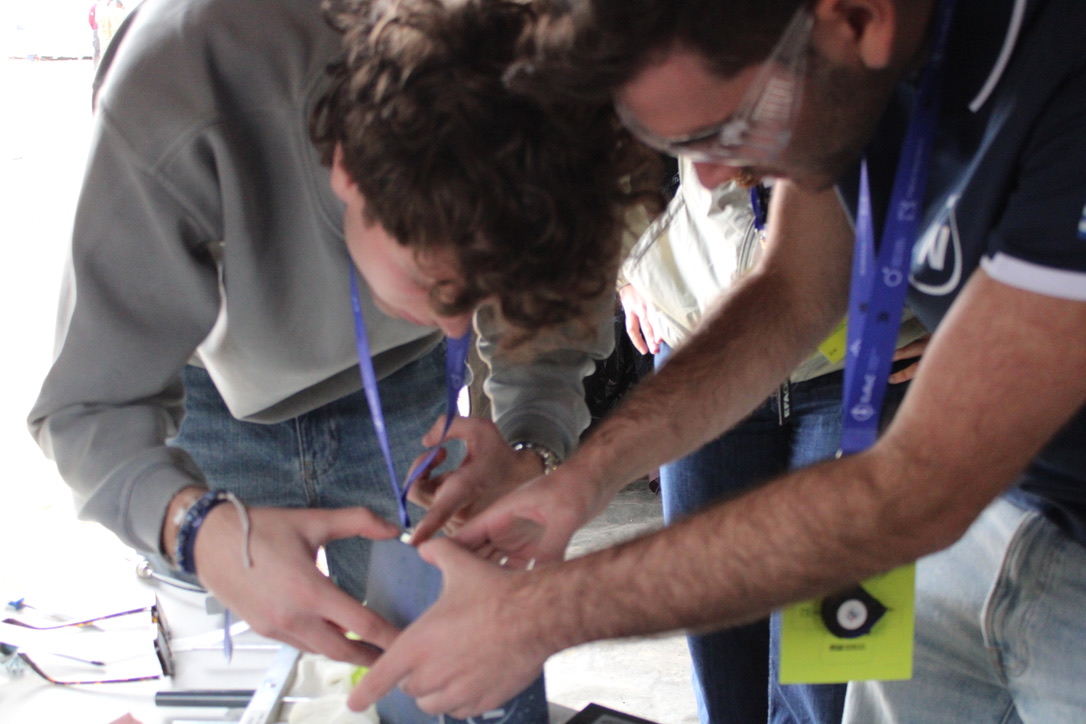
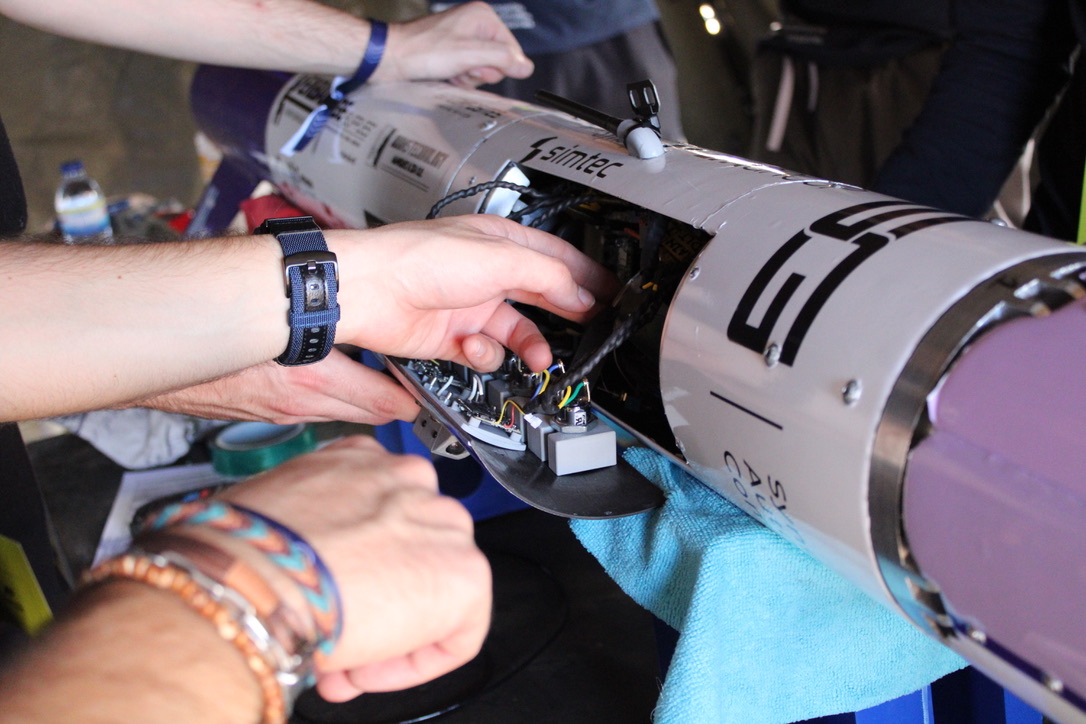
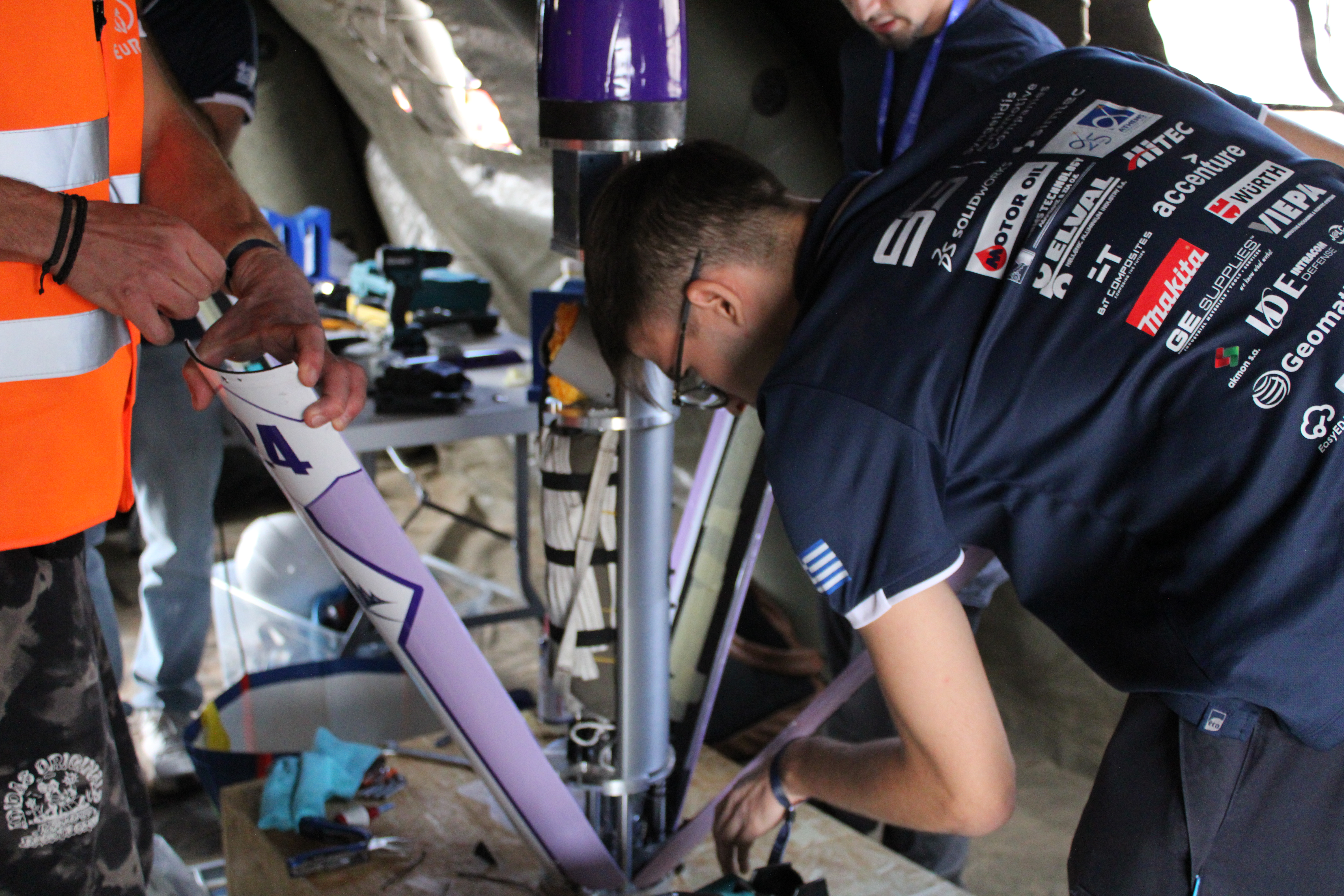
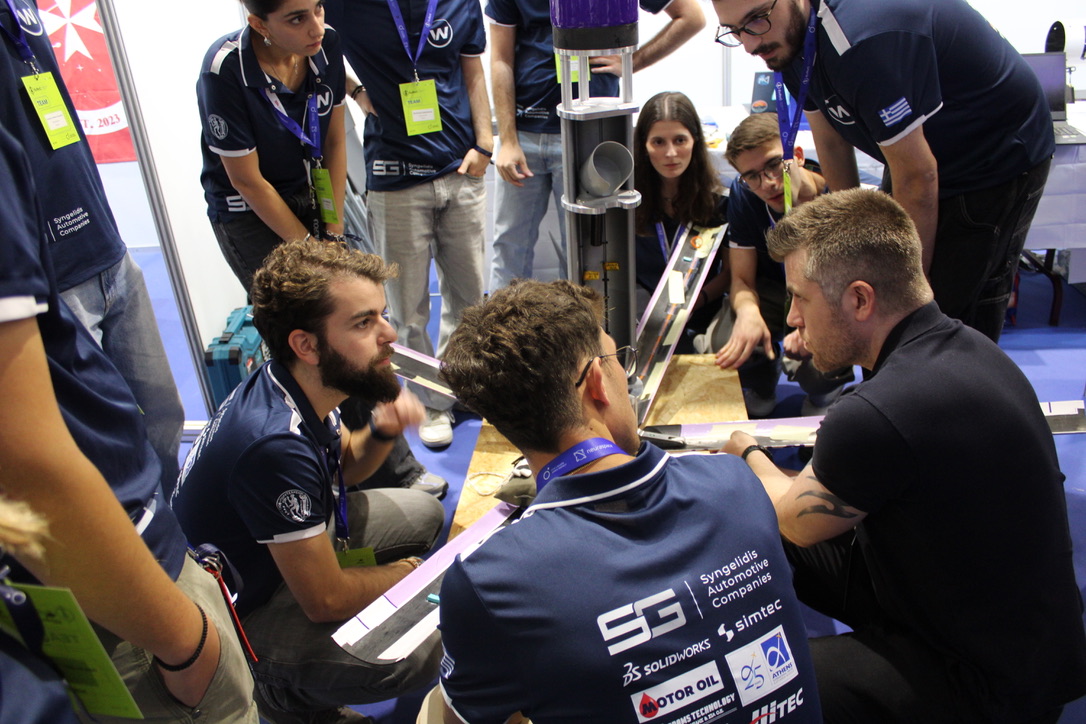
Design reviews, last-minute checks, subsystem work and the moments that made our first EuRoC campaign unforgettable.
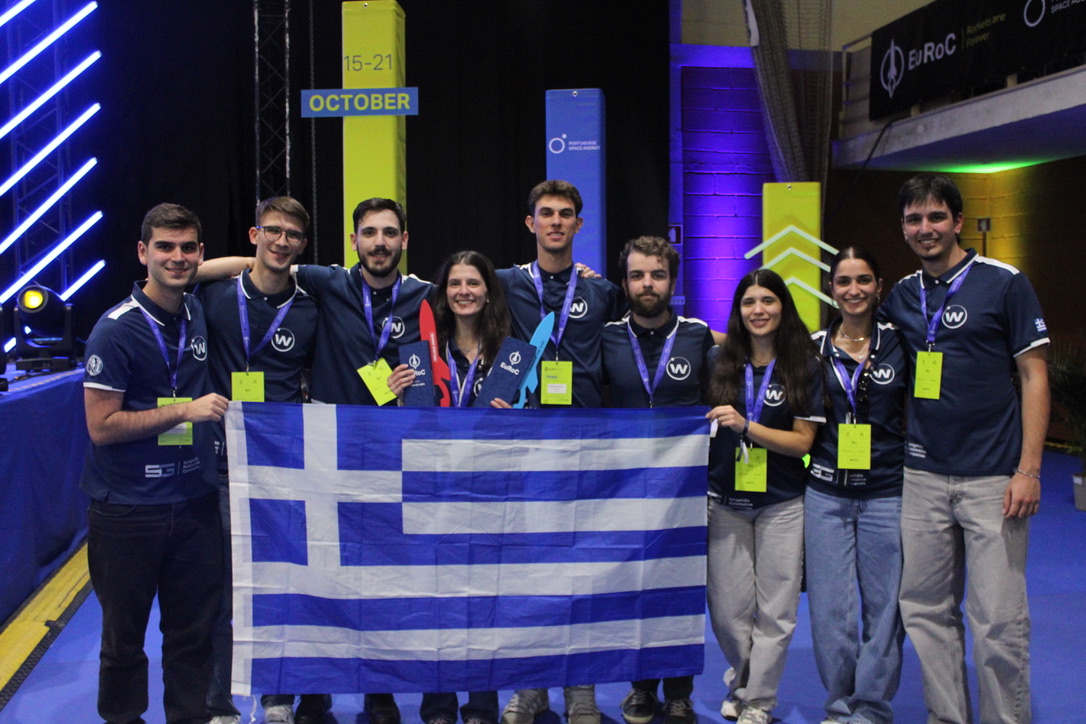
We're a student-led rocketry and aerospace engineering team from the National Technical University of Athens. Our projects take engineering beyond the classroom.
Design, manufacture, test and operate real aerospace systems.
Develop practical skills in design, simulation, embedded systems, testing and research.
Work alongside students with different backgrounds to solve demanding engineering challenges.
Gain experience from real projects, international competitions and experienced team members.
Take responsibility for systems, decisions, project milestones and mission outcomes.
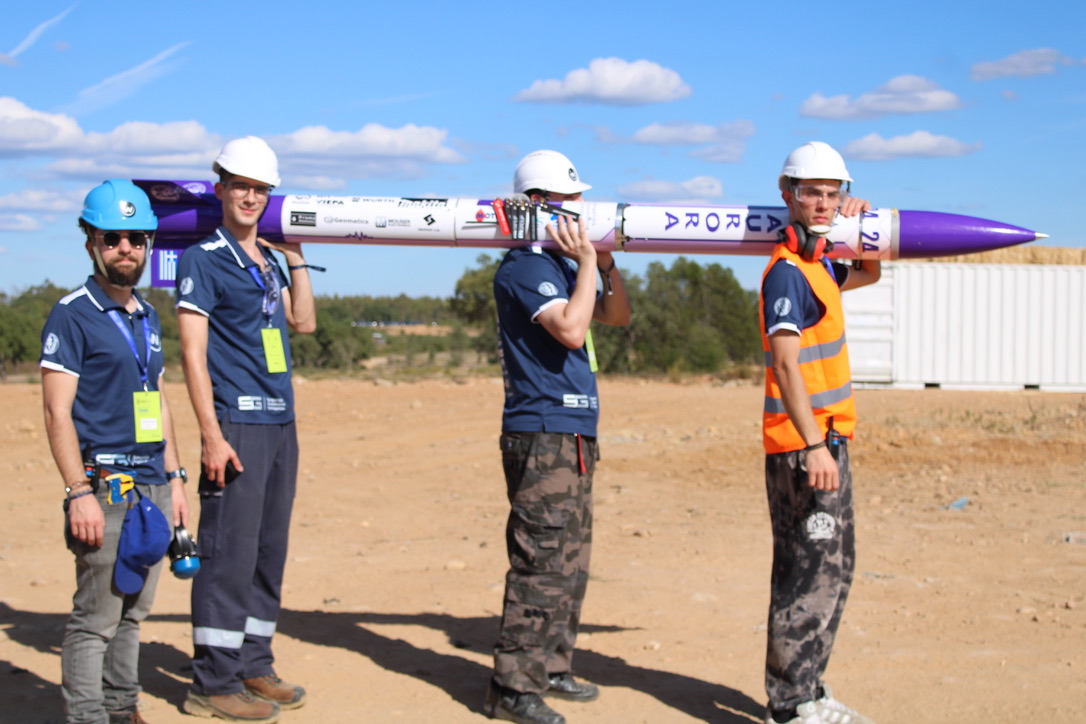
We're establishing Greece as a hub for aerospace research, strengthening our country's expertise and presence on the international aerospace stage.
Through student-driven innovation, collaboration and competition success, we're building the foundation for Greece's aerospace future — one launch at a time.
DrillSat claimed 1st place at CanSat in Greece, with a satellite designed to drill into and analyze soil samples after descent.
Cronos became Greece's first open-source hybrid rocket motor, designed, manufactured and static-fire tested by students.
Aurora completed its debut flight at EuRoC 2026, reaching 2,507 m AGL with successful recovery. White Noise earned the Best Rookie Team and Payload awards and finished 6th overall.
From satellite systems to rocket propulsion and high-power rocketry.

Our first high-power competition rocket. Launched to 2,507 m at EuRoC 2026. Best Rookie Team, Payload Award and 6th overall.
Explore Project
Greece's first open-source hybrid rocket motor, advancing national aerospace capabilities.
Explore Project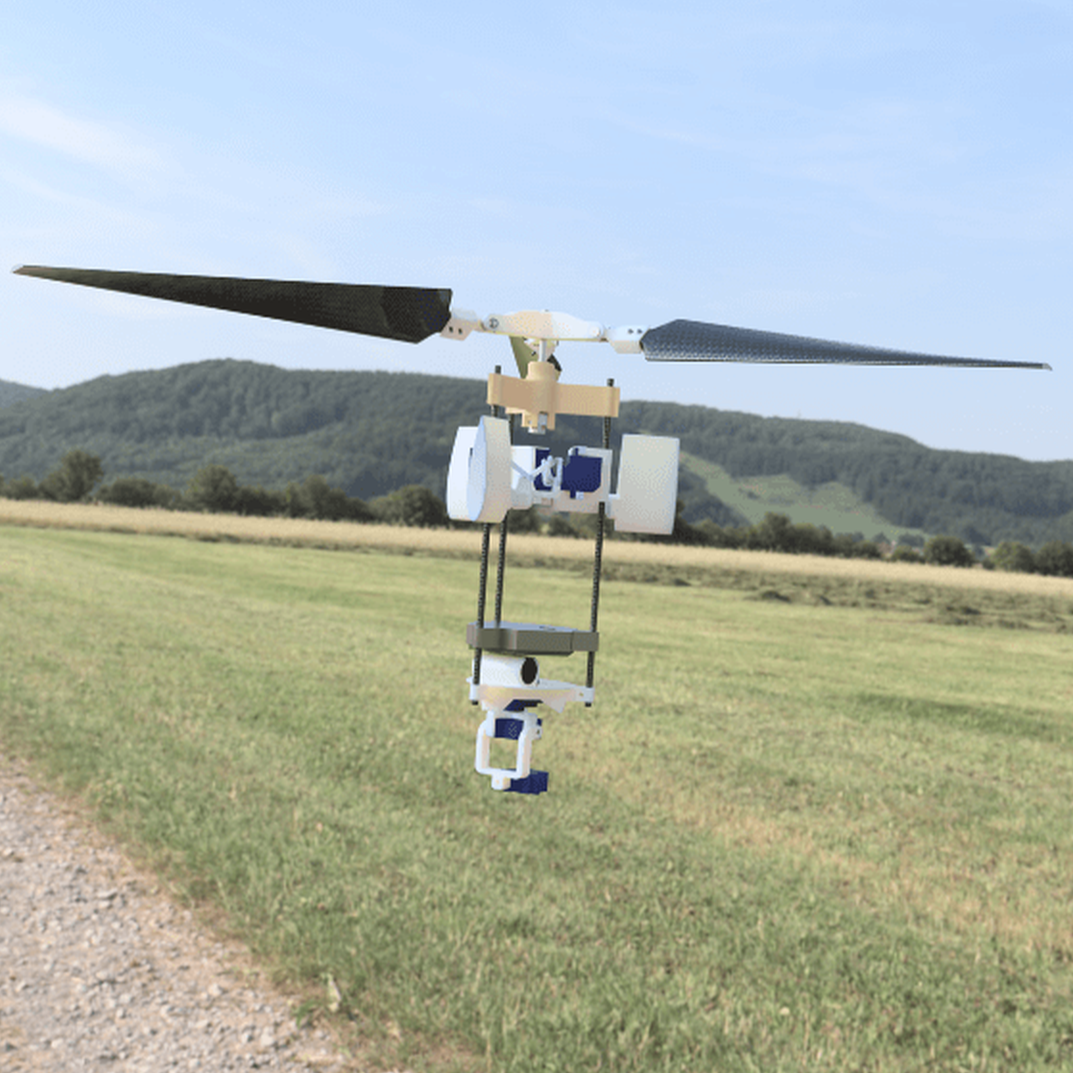
4th place at the CanSat World Finals out of 93 international teams.
Explore Project
Second prize at CanSat in Greece 2019, featuring an innovative 3D terrain mapping payload.
Explore Project
Our first major competition victory: first prize at CanSat in Greece 2017–2018.
Explore ProjectThe companies and organizations supporting our engineering work and making Project Aurora possible.





Interested in supporting Greece's aerospace future?
Become a SponsorQuestions about joining, collaborating or sponsoring? We'd love to hear from you.